Soybean phospholipids are a natural substance extracted from soybeans. 1 They are primarily composed of phosphatidylcholine, phosphatidylinositol, and phosphatidylethanolamine. These compounds are essential components of cell membranes and play a crucial role in various bodily functions. 2 Soybean phospholipids are commonly used as food additives, dietary supplements, and in pharmaceutical and cosmetic products due to their emulsifying, antioxidant, and cholesterol-lowering propertiesMulti-Purpose Emulsifier for Diverse IndustriesSoybean Phospholipids serve as a versatile emulsifier, finding prominent use in the bakery, confectionery, beverage, pharmaceutical, and feed industries. Their superior solubility and purity make them essential for stabilizing and homogenizing products, ensuring consistent quality across formulations.
High Quality & Safety StandardsRefined from selected soybeans and processed using hydrogenation, this ingredient maintains tight specifications-such as low moisture, minimal heavy metals, and optimal particle size-to guarantee reliability and safety. Each batch undergoes stringent quality control to meet food-grade and pharmaceutical requirements.
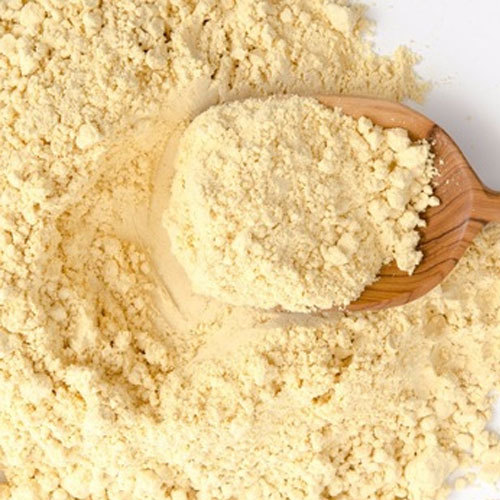
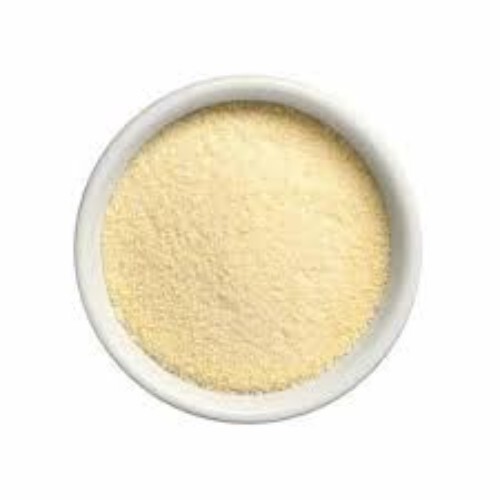
Easy Storage and Long Shelf LifeThis product remains stable for up to two years when stored in a cool, dry place away from direct sunlight. Its convenient packaging and odorless, fine-powder form make handling and integration into manufacturing processes straightforward and efficient.
FAQ's of Soybean Phospholipids:
Q: How can Soybean Phospholipids be used in different industries?
A: Soybean Phospholipids act as an effective emulsifier and stabilizer, widely used in food (bakery, confectionery, beverages), pharmaceutical, cosmetic, and animal feed applications to improve texture, solubility, and product uniformity.
Q: What are the benefits of using this specific product over others?
A: This phospholipid powder offers high purity (99%), minimal moisture (1.5%), odorless properties, low heavy metal content, and excellent dispersibility. Its food-grade quality ensures safety and reliability, making it suitable for sensitive applications.
Q: Where should Soybean Phospholipids be stored for optimal shelf life?
A: The product should be kept in a cool, dry environment and protected from direct sunlight. Proper storage helps maintain its two-year shelf life and preserves its functional properties.
Q: When is Soybean Phospholipids typically added during the manufacturing process?
A: Phospholipids are generally introduced during the mixing or emulsification stage to facilitate uniform dispersion and consistent product quality, depending on the specific formulation and preparation method.
Q: What is the solubility profile of Soybean Phospholipids?
A: This ingredient is dispersible in water and fully soluble in oil, making it highly versatile for creating stable emulsions in both aqueous and lipid-based systems.
Q: How does the refining and hydrogenation process impact the product?
A: Refining and hydrogenation enhance the stability, purity, and safety of the phospholipids while reducing impurities and improving their physical properties, ensuring suitability for food, pharmaceutical, and cosmetic use.